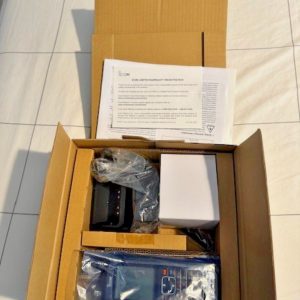
:::writingvariant="document" id="58314" ICOM IC-A25N Handheld NAV/COM Transceiver w/ Bluetooth – Open Box: Advanced Pilot Communication The ICOM IC-A25N Handheld NAV/COM Transceiver w/ Bluetooth – Open Box combines user-friendly controls, portable convenience, aviation communication capability, navigation functions, and Bluetooth connectivity. A carefully inspected open-box package can offer the operational benefits of a premium handheld aviation radio while helping owners control equipment costs. An ICOM IC-A25N Handheld NAV can support pilots who need a portable radio for cockpit backup, preflight monitoring, flight training, and general aviation communication. As an ICOM IC-A25N Aviation Radio, the transceiver may be used during normal flight operations, communication training, airport monitoring, ground coordination, and emergency preparation. A portable ICOM IC-A25N Handheld Radio supports flexible aviation operations because it can remain with the pilot rather than being permanently installed in one aircraft. A capable Handheld NAV/COM Aviation Transceiver provides pilots with an integrated solution that can be stored conveniently and accessed quickly. Whether the requirement is a Handheld Aviation Radio, Aviation NAV/COM Radio, Pilot Handheld Radio, or Aircraft Communication Radio, buyers should review package condition, included accessories, battery health, and operational compatibility before purchase. As an Aviation Communication Device, the radio can provide portable support for cockpit, training, emergency, and ground environments.
Understanding the ICOM IC-A25N Handheld NAV/COM Transceiver
A multifunction handheld radio can provide useful redundancy and flexibility for pilots who regularly operate in different aircraft or environments. The device may help pilots reduce equipment clutter by integrating several useful capabilities into one flight-bag-friendly radio. Portable equipment should be treated as part of a complete communication plan rather than a guaranteed replacement for every installed avionics function. Training with the device can reduce delays and confusion when rapid communication becomes necessary.ICOM IC-A25N Handheld NAV Features
The navigation-oriented functions can complement normal cockpit planning when used within their intended purpose and understood limitations. Aircraft owners may keep the radio available when maintenance temporarily removes power from installed communication equipment. Pilots should verify information using suitable aviation references and avoid relying on one portable device for every navigation decision. Organized cockpit placement improves access while protecting the radio from impact, movement, moisture, and accidental activation.ICOM IC-A25N Aviation Radio for Pilots
The radio may be useful to pilots operating aircraft with limited avionics, temporary communication problems, or different cockpit configurations. The radio may also be useful at aviation events, remote airfields, flight schools, maintenance shops, aircraft demonstrations, and airport operations areas. The seller should identify any missing accessories, cosmetic marks, opened packaging, previous testing, warranty status, or differences from a factory-sealed package. Remote buyers may request a video showing startup, menu operation, button response, audio output, charging status, and physical condition.Carrying the ICOM IC-A25N Handheld Radio
The handheld format allows the radio to move with the pilot between personal, rental, training, business, and club aircraft. Responsible storage preserves physical condition and improves the likelihood that the radio will function correctly when needed. Users can review the interface in a quiet environment rather than learning controls during engine operation or busy airport activity. The radio should be removed from environments where condensation, fuel, oil, cleaning products, or maintenance debris may cause damage.Maintaining a Handheld NAV/COM Aviation Transceiver
A feature-rich handheld transceiver can provide practical support while remaining compact enough for regular flight-bag use. Buyers should compare interface design, battery options, charging arrangements, antenna quality, accessory availability, display readability, audio performance, and operational needs. A brief function check can identify weak battery performance, loose accessories, damaged connectors, or configuration problems before departure. An equipment log may be helpful for flight schools, shared aircraft, or aviation businesses where several users handle the same device.Choosing a Handheld Aviation Radio
Handheld radios provide communication flexibility where panel equipment is unavailable, temporarily unpowered, difficult to access, or assigned to another aircraft. Backup capability may help pilots maintain access to important communication options while managing an abnormal situation appropriately. The operating manual and applicable aviation procedures should guide setup and use. Professional radio discipline includes listening carefully, transmitting clearly, using appropriate terminology, and keeping messages relevant.Using an Aviation NAV/COM Radio
An Aviation NAV/COM Radio gives pilots portable access to communication and navigation-support features that may complement installed cockpit avionics. Aviation Navigation Radio The user should understand how to move efficiently between communication and navigation functions without becoming distracted. Pilots should maintain current charts, navigation planning, weather awareness, and suitable avionics for the flight being conducted. The antenna should be attached properly and protected from interference with controls or cockpit movement.Choosing a Pilot Handheld Radio
A Pilot Handheld Radio can provide useful communication redundancy during cross-country flights, aircraft delivery, rental operations, training, and travel to unfamiliar airports. Good cockpit organization reduces workload and prevents backup equipment from becoming difficult to reach when needed. Pilots can include the handheld in periodic proficiency exercises without making unauthorized or unnecessary transmissions. Responsible power management is central to maintaining a dependable Pilot Handheld Radio.Choosing an Aircraft Communication Radio
The IC-A25N can become part of an organized communication strategy for private pilots and aviation businesses. Professional communication practices improve the effectiveness of both installed and handheld radios. Moving the radio or antenna within the cockpit may influence reception, but it must remain secure and clear of controls. Users should stop relying on the unit if it displays intermittent function or unexplained shutdowns until the concern is resolved.Portable Aviation Transceiver Applications
The ability to carry the radio personally helps operators maintain access to familiar controls and stored settings. A portable unit is easier to transport than installed avionics, but it also requires careful management of batteries, antennas, chargers, cables, and accessories. Bluetooth operation should be tested in advance because pairing status, battery condition, compatibility, audio routing, and device settings can influence performance. Bluetooth settings can be reviewed during preflight preparation and confirmed before the aircraft begins moving.Aviation Communication Device for Professional Use
Commercial value is strongest when the radio includes the accessories, battery capability, and support required for actual use. An open box may result from display, return, inspection, testing, damaged packaging, or another non-operational reason. Organized equipment management helps ensure that the radio remains available and serviceable for the next user. Training should cover normal communication, navigation-related functions, emergency use, battery care, Bluetooth setup, and storage.Choosing a Handheld Aircraft Radio
The radio’s portable form allows pilots to monitor or communicate without remaining seated at the aircraft instrument panel. Using the radio on the ground can preserve aircraft battery power and reduce the need to energize installed avionics solely for monitoring or coordination. A handheld radio should not be placed on an unstable surface where turbulence or maneuvering could send it across the cockpit. Consistent care helps a Handheld Aircraft Radio transition reliably between cockpit, hangar, ramp, and storage use.Choosing an Aviation Navigation Radio
The IC-A25N may appeal to pilots who want more than communication capability from their handheld flight-bag radio. The radio should be configured on the ground whenever possible instead of during high-workload cockpit operations. Portable functions are most useful when they complement rather than replace disciplined aviation decision-making. A radio that has not been used recently may require charging, configuration review, Bluetooth reconnection, and accessory inspection.Maintaining an ICOM Pilot Radio
Pilots may choose an ICOM Pilot Radio because they want one familiar handheld device for training, travel, cockpit backup, and ground operations. A complete and well-documented package can be more valuable than a lower-priced unit missing essential equipment. The device should support the pilot’s normal workflow rather than requiring accessories or procedures that are inconvenient or incompatible. A protective case and consistent charging routine can help preserve the equipment and prevent missing accessories.Maintaining an Emergency Aviation Radio
A backup transceiver should be included in emergency planning rather than carried without testing or operational preparation. Cockpit structure, antenna location, terrain, altitude, weather, buildings, and battery condition can influence emergency performance. Redundancy is strongest when the user has more than one practical method of hearing and transmitting with the device. Battery packs should be replaced when capacity declines, physical damage appears, charging becomes unreliable, or the manufacturer’s guidance indicates replacement.Maintaining a Backup Aircraft Radio
Backup equipment can be particularly valuable during cross-country operations, aircraft delivery, training, rental flying, or travel in older aircraft. A dependable backup radio is the result of consistent preparation rather than the assumption that unused equipment remains ready. The pilot should determine whether the radio will be operated through its built-in audio, Bluetooth accessory, or wired headset connection. With thoughtful preparation, a Backup Aircraft Radio can provide valuable confidence without creating unnecessary cockpit complexity.Open-Box ICOM IC-A25N Purchase Checklist
Connectors and charging contacts should appear clean, straight, secure, and free from corrosion or contamination. Missing accessories can increase final cost and may prevent the radio from being used as expected immediately after delivery. A complete demonstration can provide valuable confidence for buyers who cannot inspect the radio in person. The buyer should inspect the radio promptly after delivery and report any missing items, damage, or functional concerns according to the agreed terms.Maintaining a Portable NAV/COM Transceiver
Preventive care helps preserve the display, controls, battery, housing, antenna connection, charger, and accessories. Inspection frequency may need to increase when the device is shared, carried daily, used outdoors, exposed to maintenance environments, or stored in an aircraft.- Examine high-use areas regularly and document any repair, battery replacement, charging concern, impact, or intermittent operation.
- Test the complete communication setup in an appropriate manner and understand how to use the radio without Bluetooth if needed.
- Use a protective case or dedicated flight-bag compartment so the radio remains accessible, complete, and free from damage.